
Structural Drying Services
Structural drying services play an essential role in restoring properties after water damage occurs. It helps in removing excess moisture from walls, floors, and other surfaces.
At the same time, it also helps prevent further damage like mold growth and structural issues.
The Process of Structural Drying
Structural drying is not as easy as it looks. It has several steps to perform, and you can only be assured that your home or business is safe after completing each.
Each step of Structural Drying is important, so if you miss any of them, you can face serious consequences. These steps are:
Assessment:
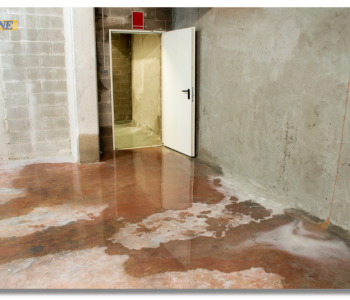
The experts of Water Damage Restoration Houston assess the water damage sites completely and clearly define the moisture-affected areas.
Water Extraction:
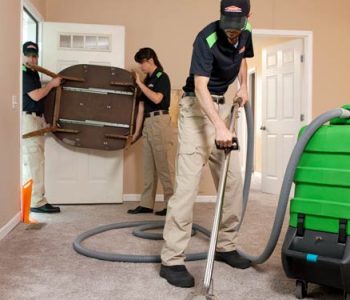
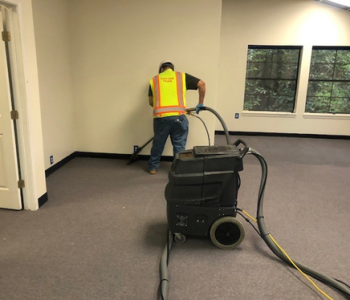
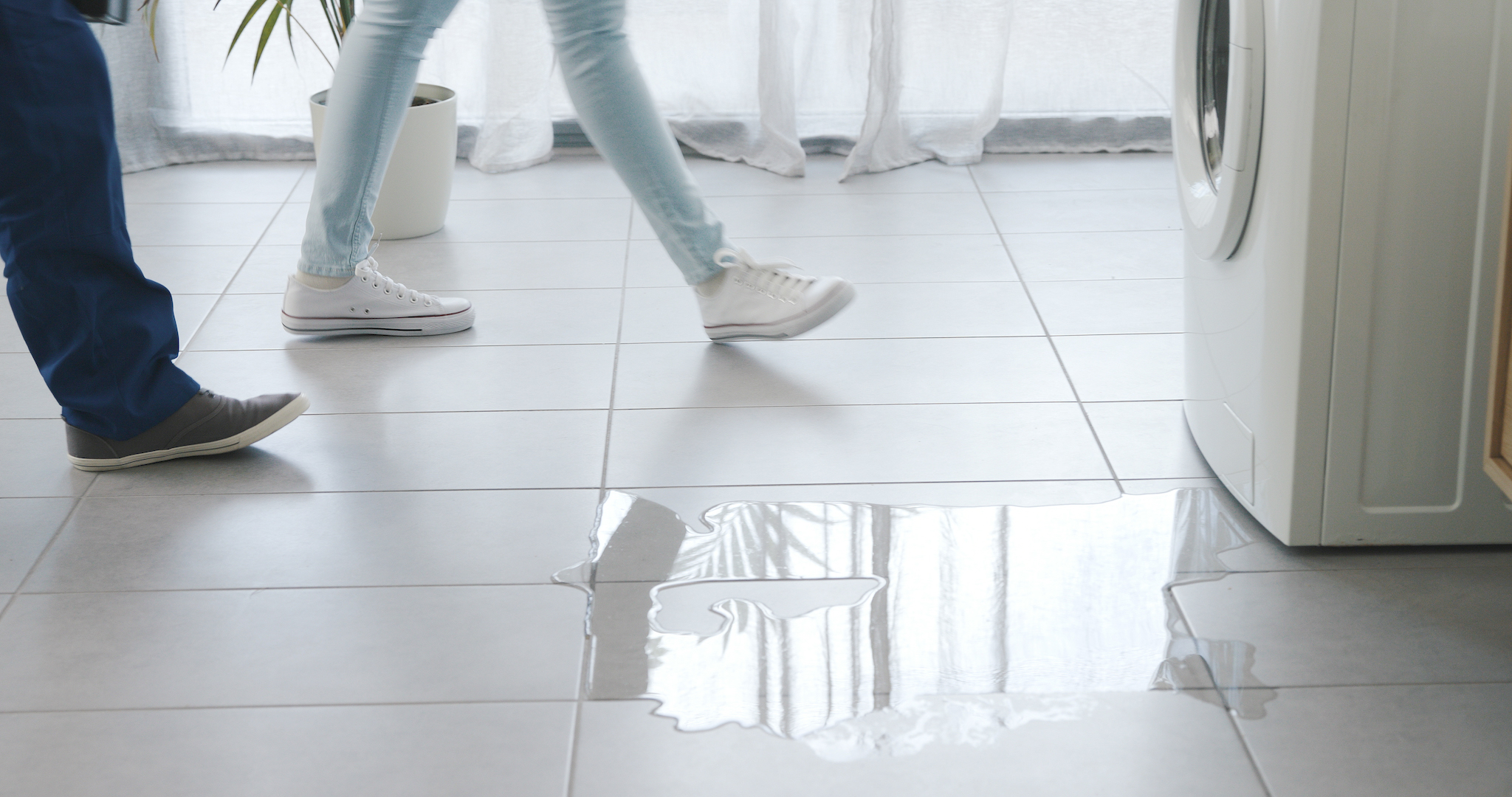
The experts often use high-power pumps and vacuums to dispose of the water from the exposed areas.
Air Movement:
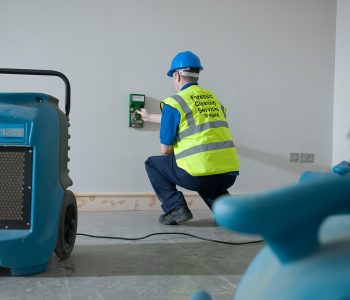
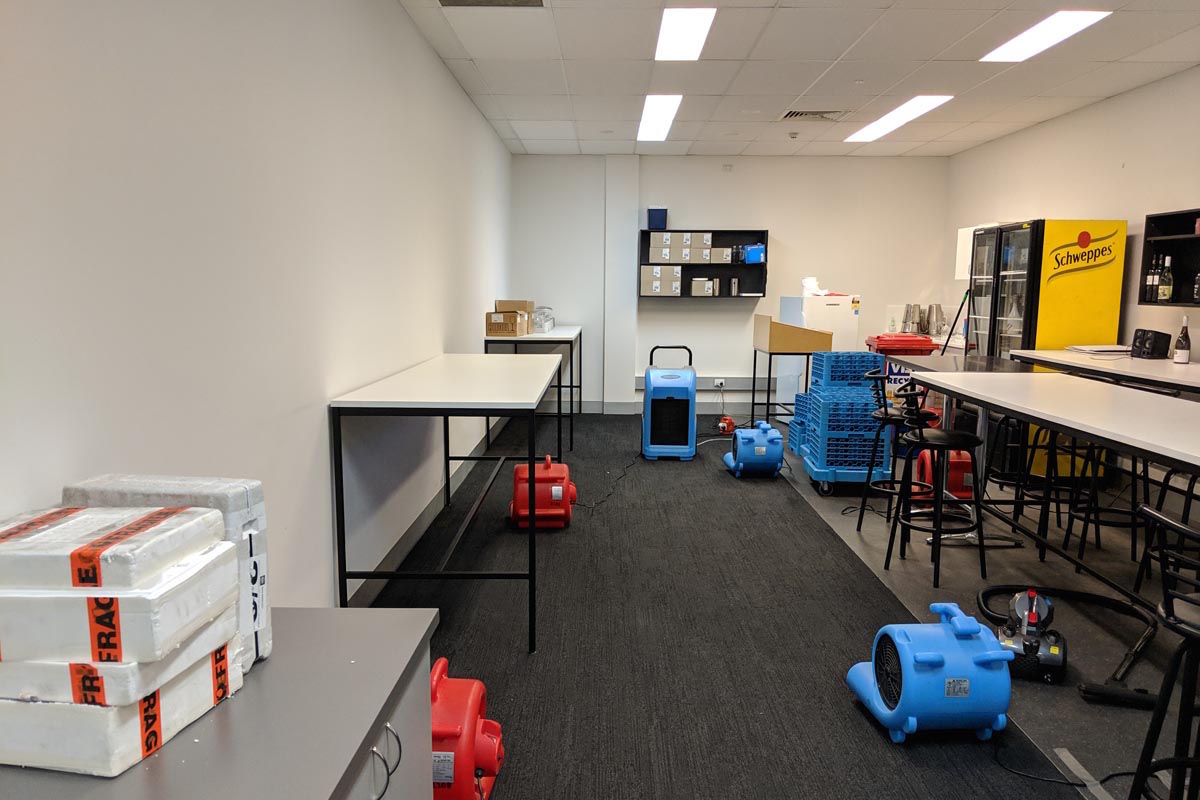
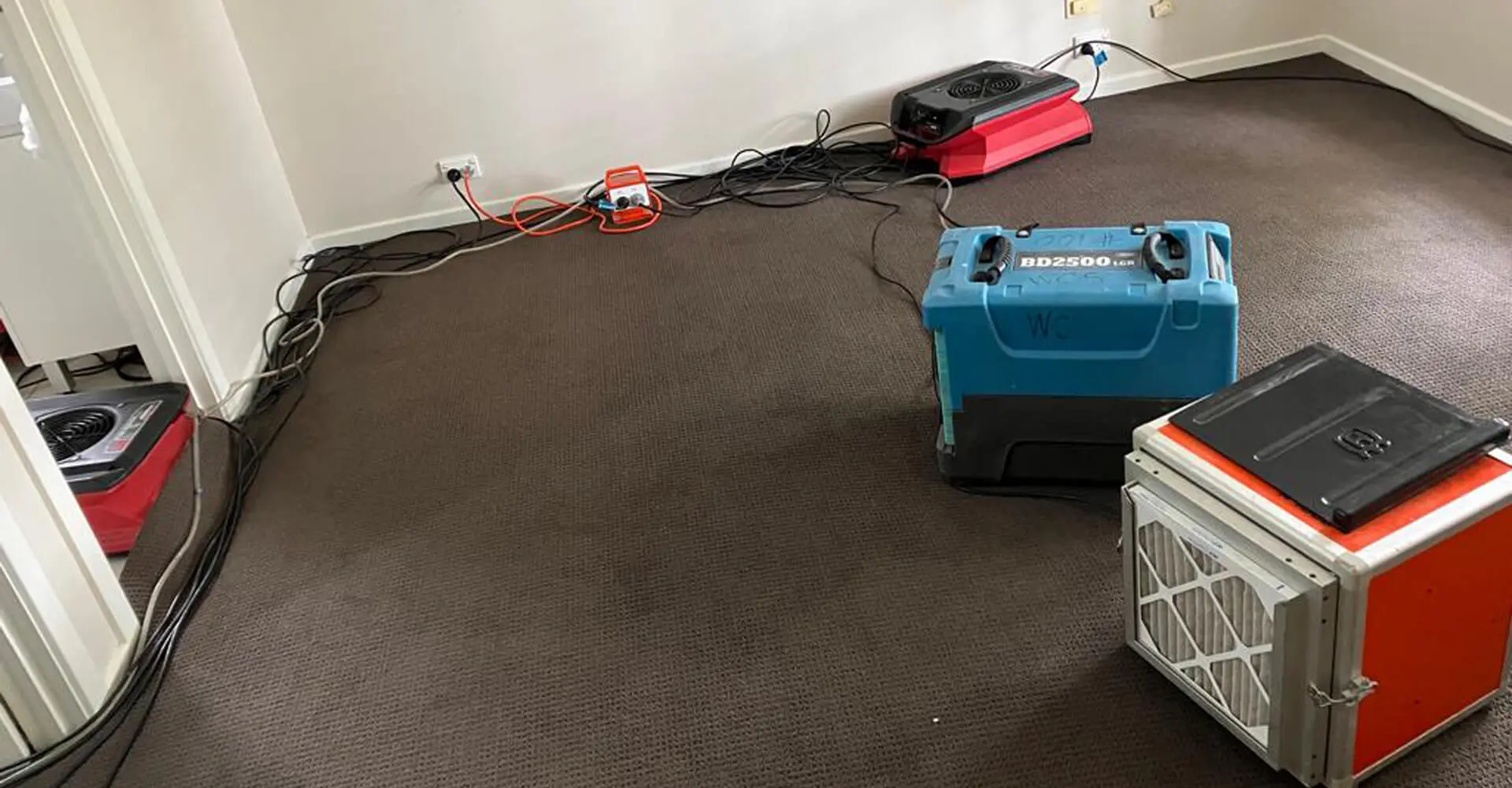
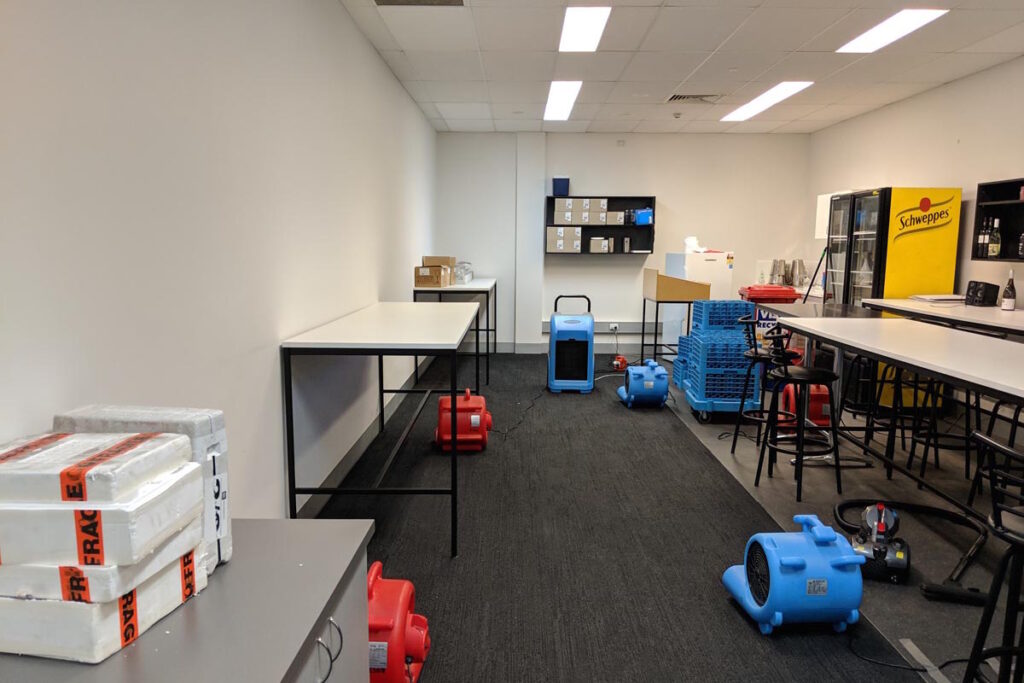
Our trained workers carefully set up very strong fans and dehumidifiers in places affected by humidity. This acts as a drying agent for surfaces, yielding high drying efficiency.
Monitoring:
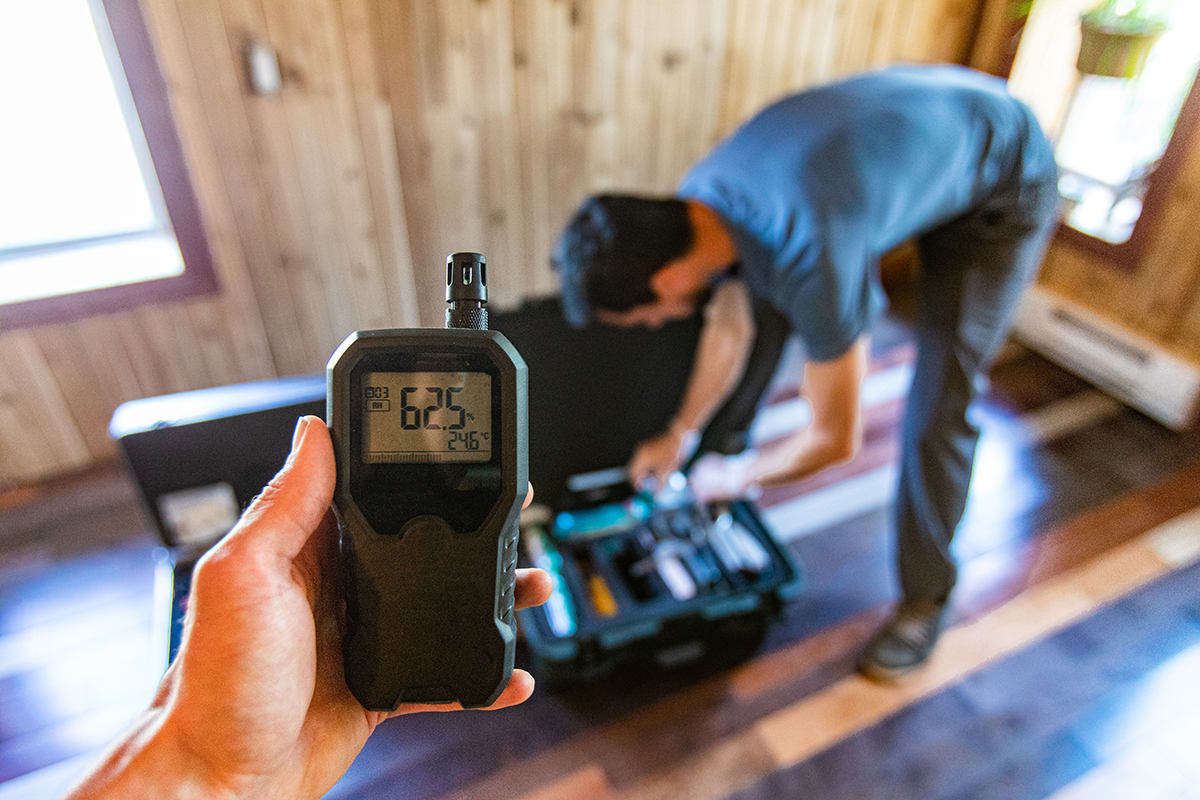
The technicians monitor the humidity and moisture levels meticulously. They do this to make sure they are drying off well.
Final Inspection:
Now that all the wetting has properly dried out, a final inspection is performed to make sure the area is already totally dry and safe for use.
Methods Used For Structural Drying
Structural drying services quickly eliminate moisture from buildings and prevent long-term damage. These methods go one step ahead and focus on securing the structural integrity of walls, floors, ceilings, and other affected areas.
Here are some advanced techniques used in structural drying:
Heat Drying (Thermal Drying):
Heat helps accelerate the speed of evaporation. This is particularly effective in drying large areas quickly.
● Tools used: Heating units, desiccant dehumidifiers, and fans.
● Benefits: Faster drying times, especially for water trapped in walls, floors, and other building materials.
Desiccant Dehumidification:
To lower the overall humidity of your property, Desiccant dehumidifiers use a silica gel material that absorbs moisture from the air. This helps in drying large spaces with significant water damage.
● Tools used: Industrial-grade desiccant dehumidifiers.
● Benefits: Works in cool environments with low humidity.
Directed Airflow (Air Movers):
It's another moisture-eliminating method where high-powered air movers are strategically placed to direct airflow across wet surfaces.
● Tools used: Centrifugal air movers and axial fans.
● Benefits: Speeds up drying times by focusing airflow on walls, floors, and carpets and prevents moisture from settling back into materials.
Dehumidification:
Industrial dehumidifiers remove moisture from the air, which reduces the humidity level.
● Tools used: Low-grain refrigerant (LGR) dehumidifiers and desiccant dehumidifiers.
● Benefits: Controls humidity levels, which is essential to prevent mold growth.
Negative Air Pressure (Containment):
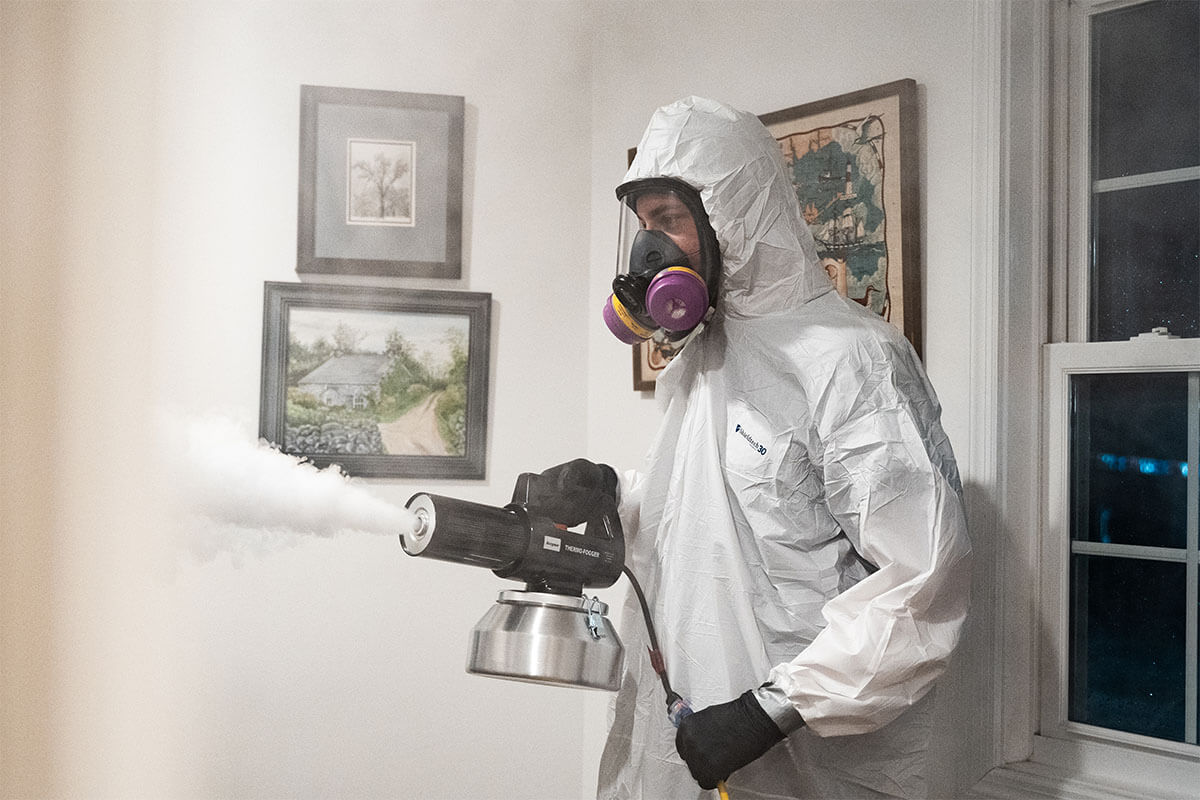
Under this, the moi
sture-affected area is sealed off and professionals uses air filtration devices to create negative air pressure to force moist air out.
● Tools used: Air scrubbers and negative air machines.
● Benefits: Ensures that contaminated or moist air doesn’t spread to unaffected areas, making the drying process more efficient and contained.
Invasive Drying Techniques:
This technique involves drilling small holes in walls, ceilings, or floors to inject warm, dry air into enclosed spaces.
● Tools used: Drying mats, specialized injectors, and drying panels.
● Benefits: Effective for drying hard-to-reach spaces that are prone to mold growth, such as within walls and under floors.
Moisture Mapping and Monitoring:
Under this, the experts use advanced moisture meters and infrared cameras to detect hidden moisture within walls, floors, and ceilings.
● Tools used: Moisture meters, thermal imaging cameras, and hygrometers.
● Benefits: Provides a precise understanding of where moisture is present, ensuring that no area is left untreated.
Freeze Drying (Lyophilization):
Freeze drying is used for delicate materials like books, documents, or historical items that are water-damaged. The water is frozen and then sublimated (converted from solid ice to vapor), bypassing the liquid phase.
● Tools used: Freeze-drying chambers and vacuum pumps.
● Benefits: Minimizes damage to sensitive materials and prevents warping, discoloration, or deterioration.
Benefits of Structural Drying Services
The benefits of structural drying are not limited to drying out the space. It also protects your investment and promotes a healthier living environment. There are some other benefits of structural drying as well:
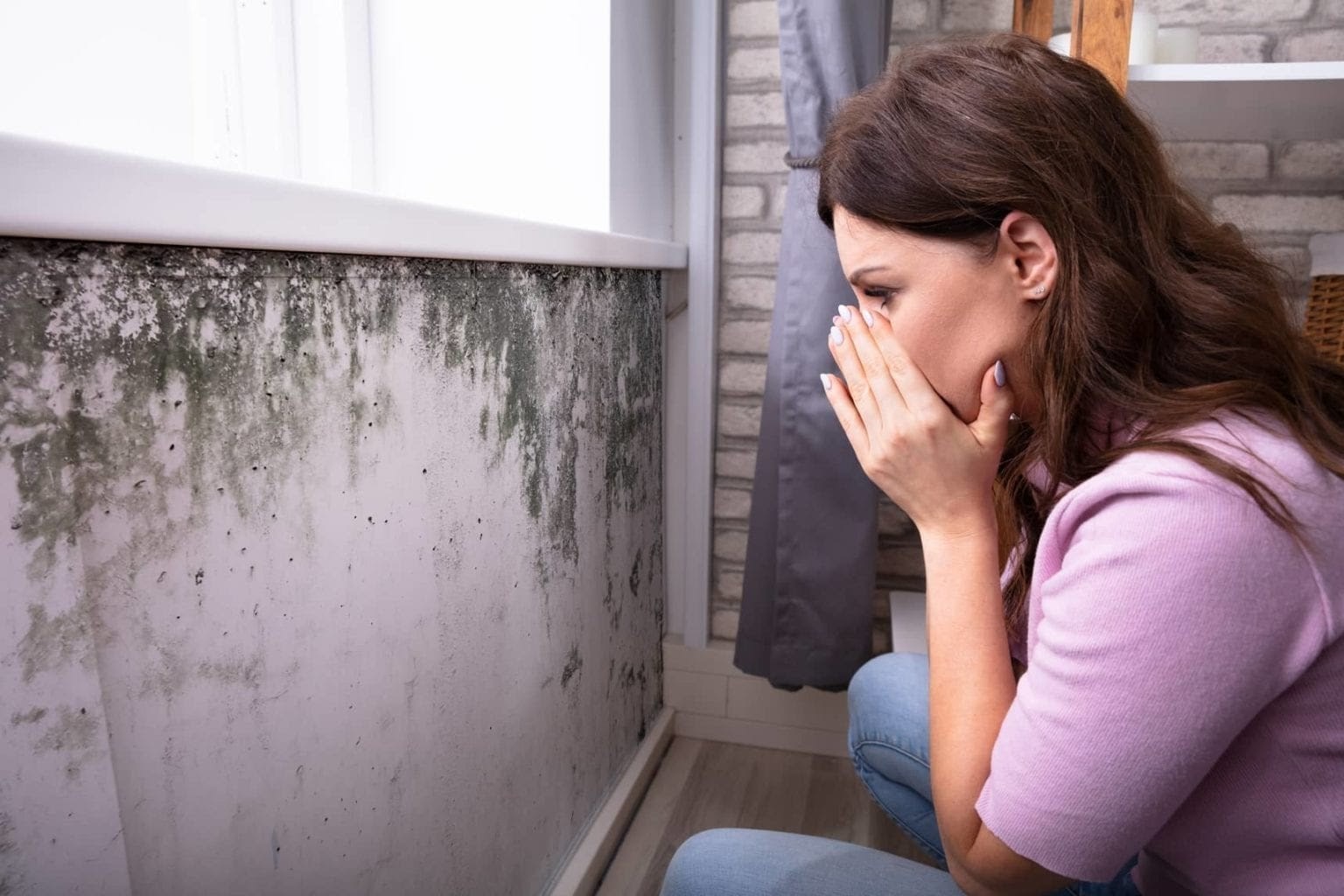
- Mold Growth Prevention: Structural drying reduces the risk of mold, which can pose health risks.
- Property Protection: Minimizing moisture helps prevent further damage to walls, flooring, and furniture, saving money on repairs.
- Air Quality Enhancement: Removing excess moisture improves indoor air quality and makes the environment safe for you.
- Speeds Up Restoration: Professional drying services expedite the restoration process, allowing you to return to normalcy quickly.
Why Choose Us
There are several advantages to choosing Water Damage Restoration Houston for structural drying services. A few of them are customer satisfaction and expert team availability. There are some other advantages as well, such as:
24/7 Availability
We provide round-the-clock services, ready to respond to emergencies any time of the day or night.
Advanced Equipment
We use the latest technology and equipment for effective drying, ensuring thorough moisture removal.
Comprehensive Services
Every property is different from another, and we create our services to meet the specific needs of every situation.
Insurance Assistance
We can help you navigate your insurance claims, making the process smoother for you.
Frequently Asked Question
Have Any Questions
The duration of structural drying depends on the extent of the water damage. However, in normal circumstances, when moisture trapping is low, it can take from a few days to a week.
In most cases, it is safe to stay. However, we will advise you based on the specific situation.
We handle several types of water damage, including flooding, leaks, and pipe bursts.