
Leak Detection and Repair Services
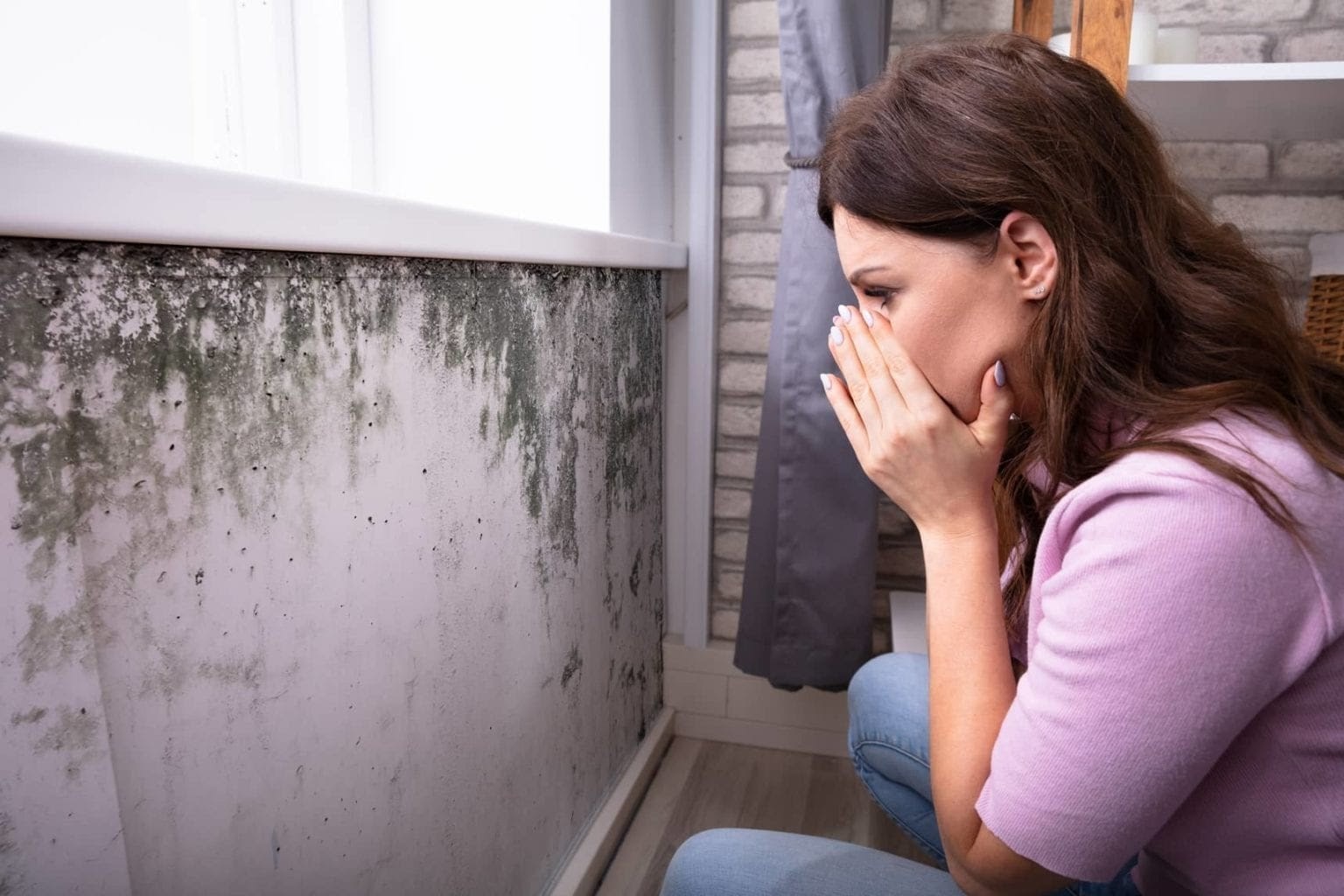
Hidden leaks can be extremely dangerous for homes. They can become a reason for the growth of mold followed by structural damage.
It is very important to detect and repair leaks on time. By this, you can prevent further damage and ensure a safe environment.
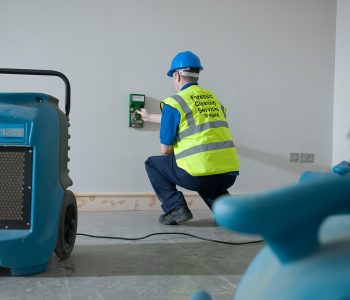
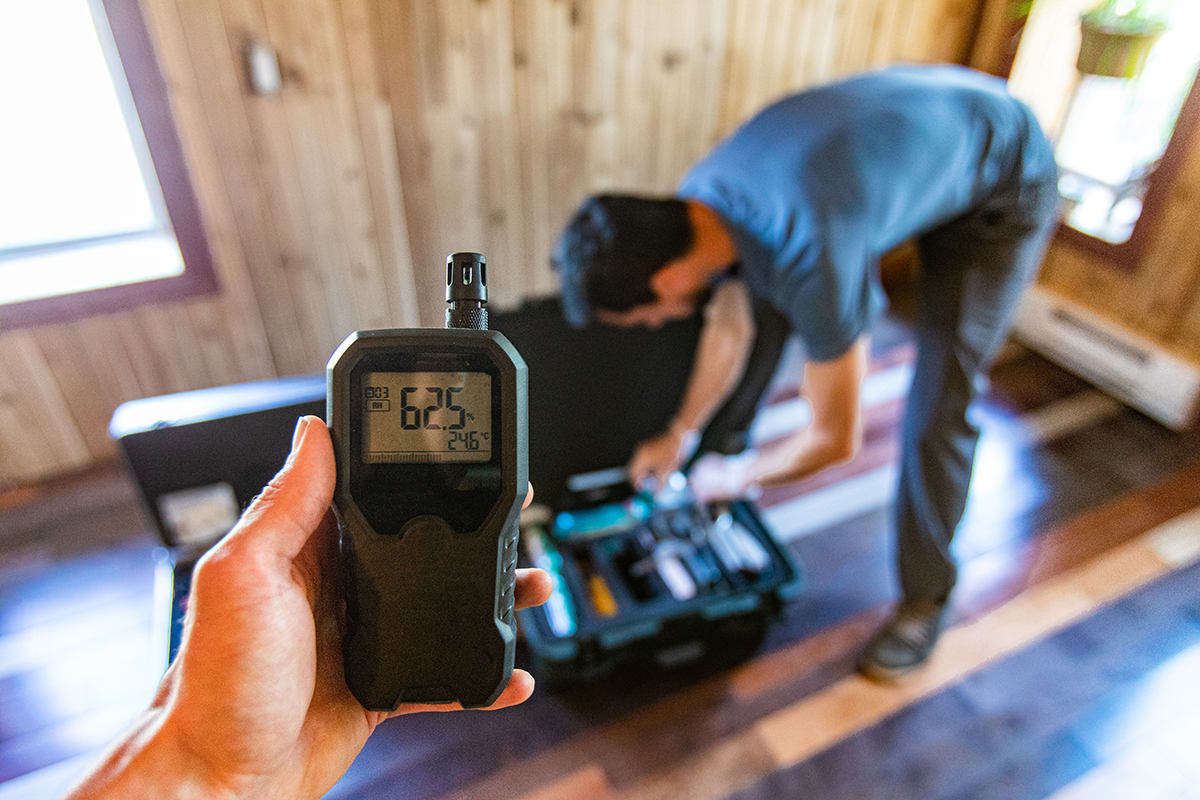
In Houston, our leak detection and repair services help residents tackle their water issues. We use advanced technology to find out the source of leaks without breaking anything.
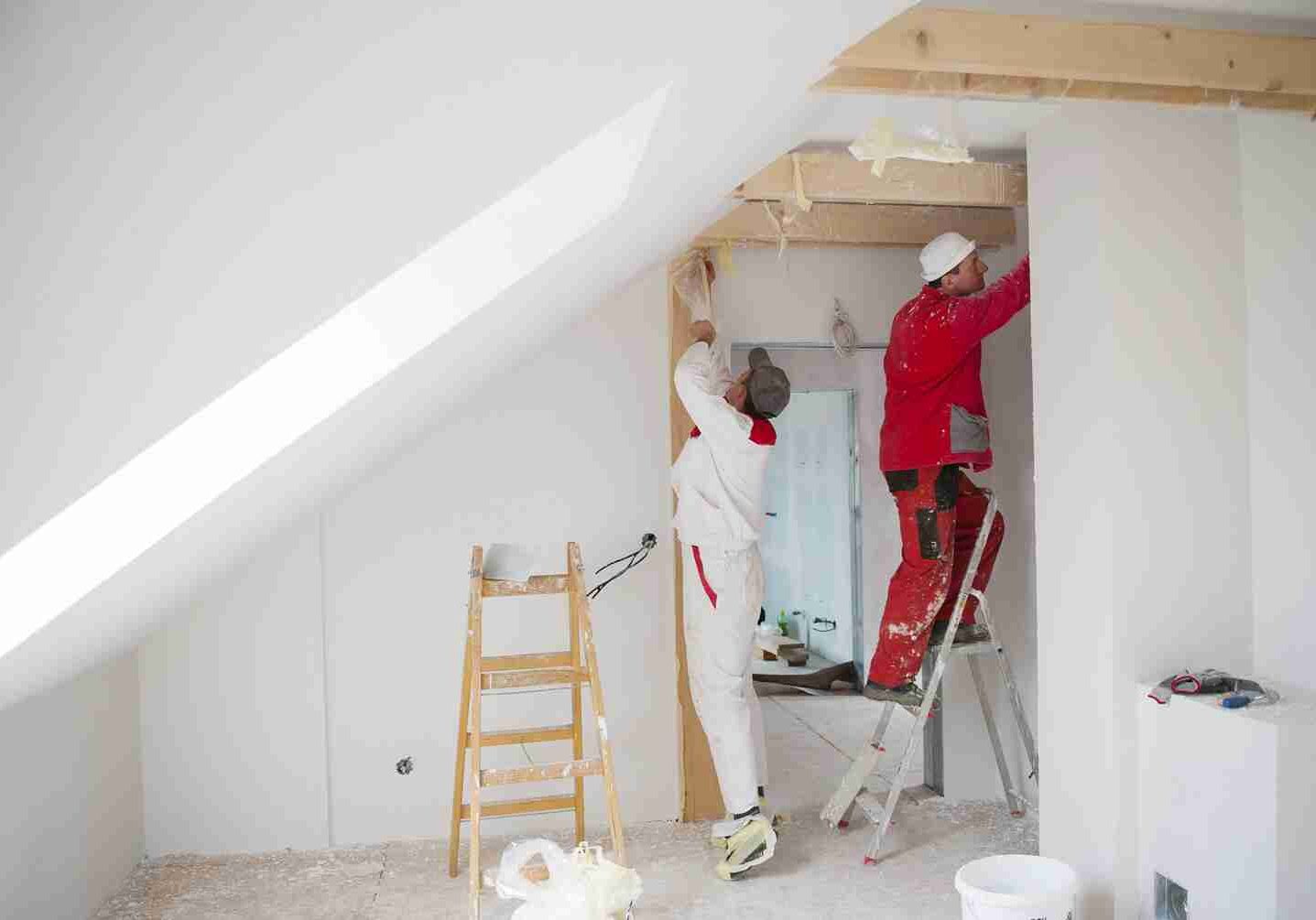
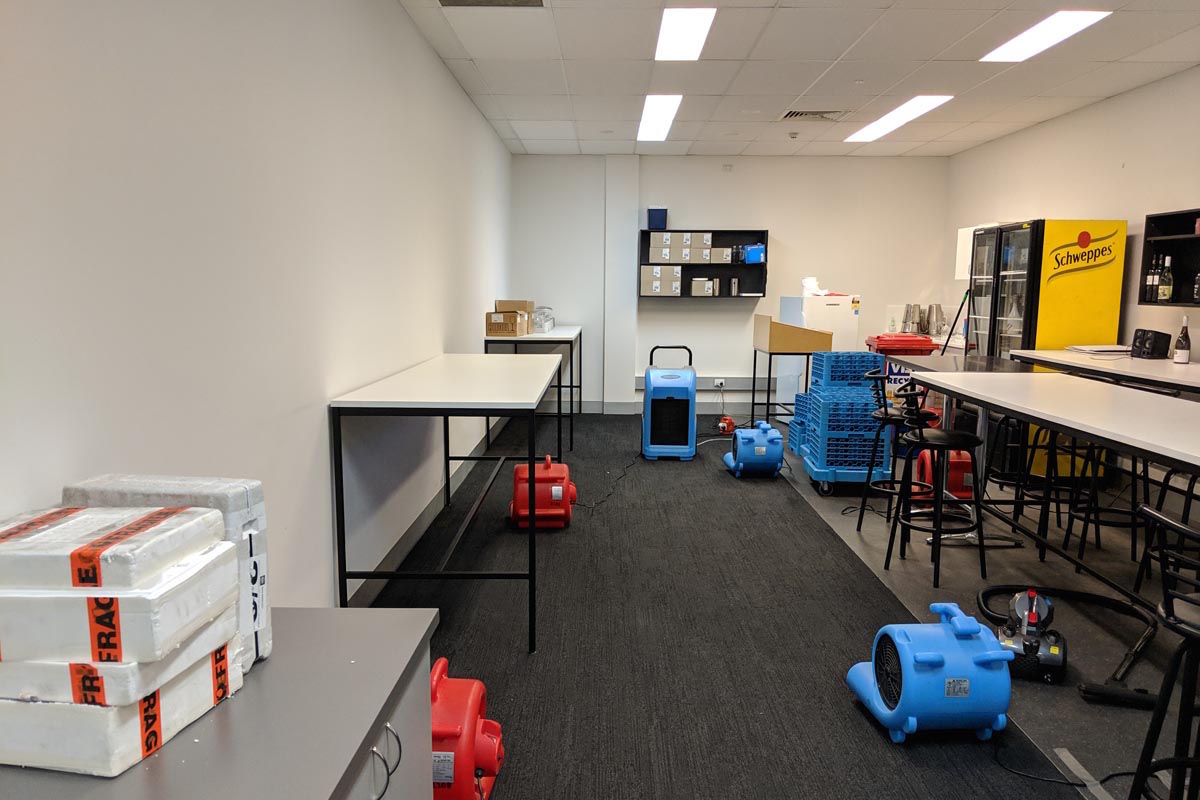
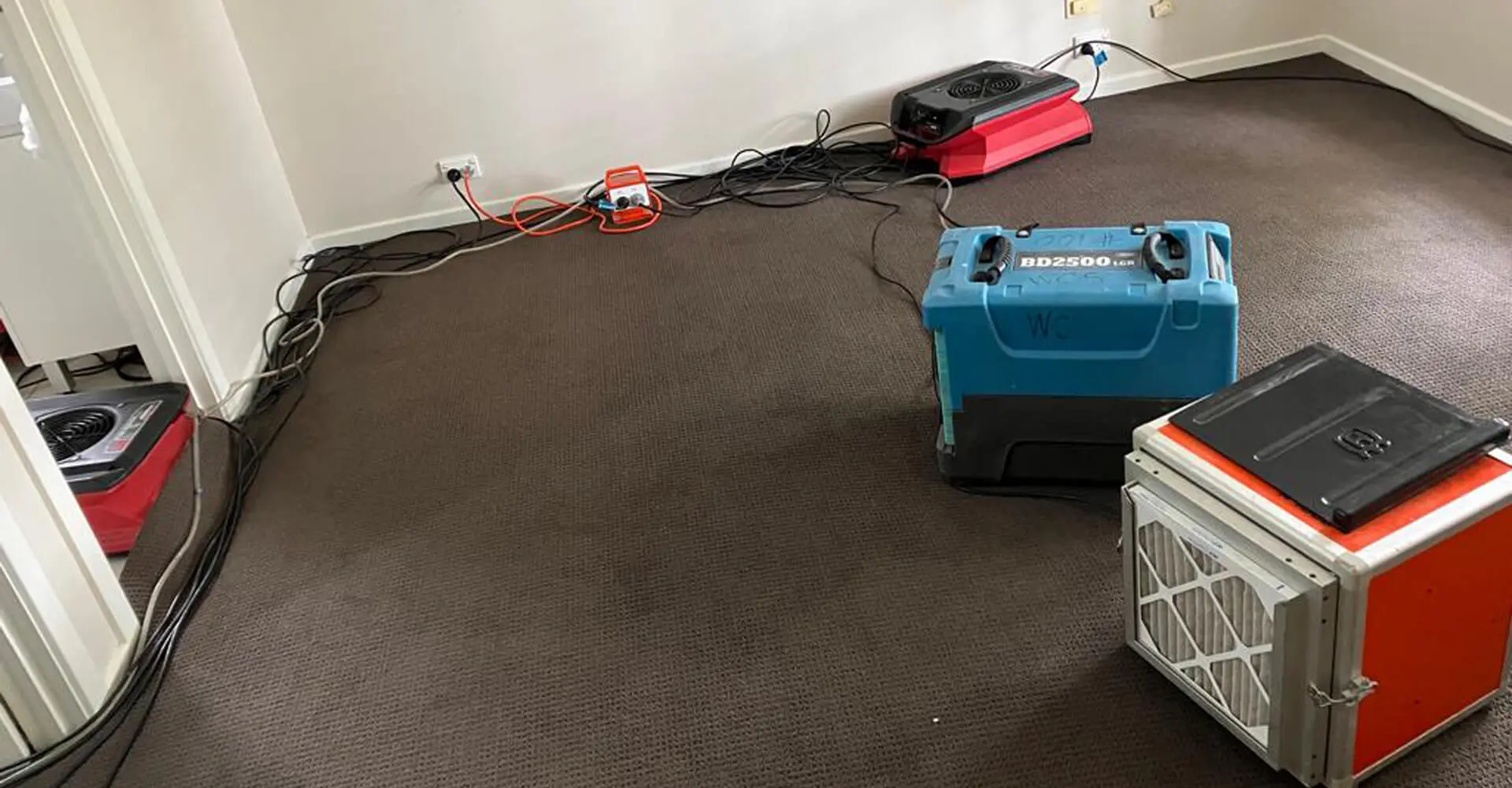
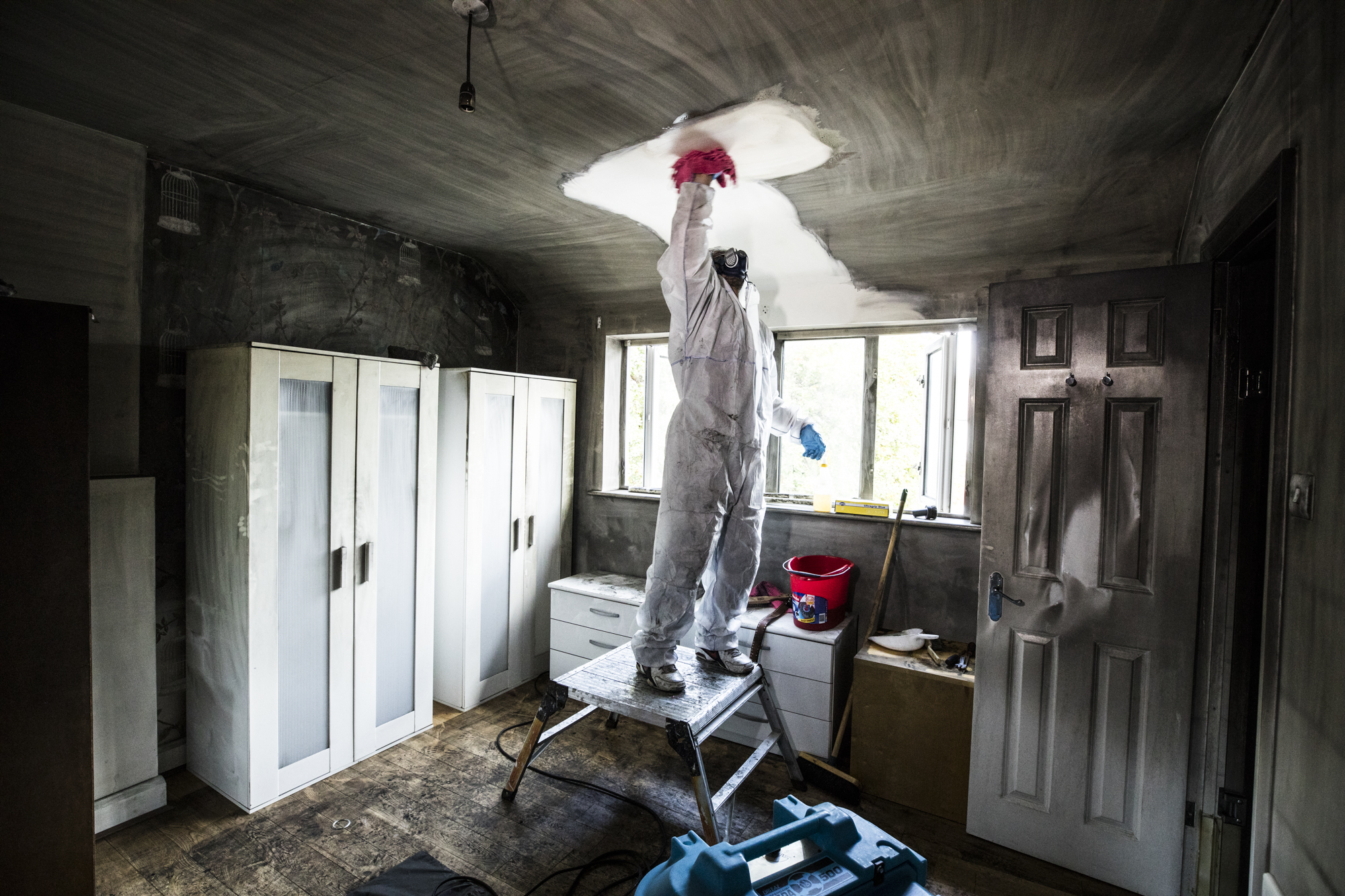
Our trained professionals provide thorough and reliable services to restore your space to its original condition.
Most Common Water Leak Regions At Home
Water leaks can occur in various areas of the home. These are mostly where plumbing or water appliances are present. The most common regions where water leaks happen are:
Bathrooms
Toilets: Often leak due to worn-out flapper valves, cracked tanks, or faulty seals around the base.
Showers and bathtubs: Leaks can occur from worn caulking, faulty seals, or cracks in tiles or grout, allowing water to seep behind walls.
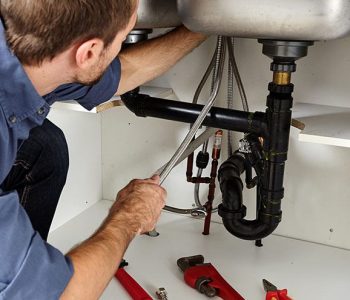
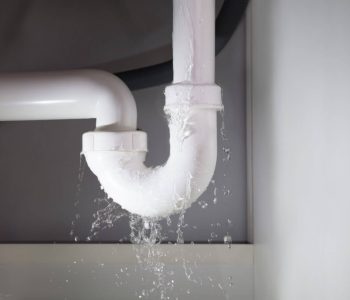
Sinks: Leaky faucets or pipe connections under the sink are frequent sources of water damage.
Kitchens
Sinks and faucets: Leaks are common from the faucet itself or the pipes beneath the sink due to loose connections or wear & tear.
Dishwashers: Faulty seals or hose connections can lead to leaks, especially during operation.
Refrigerators: Leaks can occur from the water line that supplies the water dispenser.
Laundry Rooms
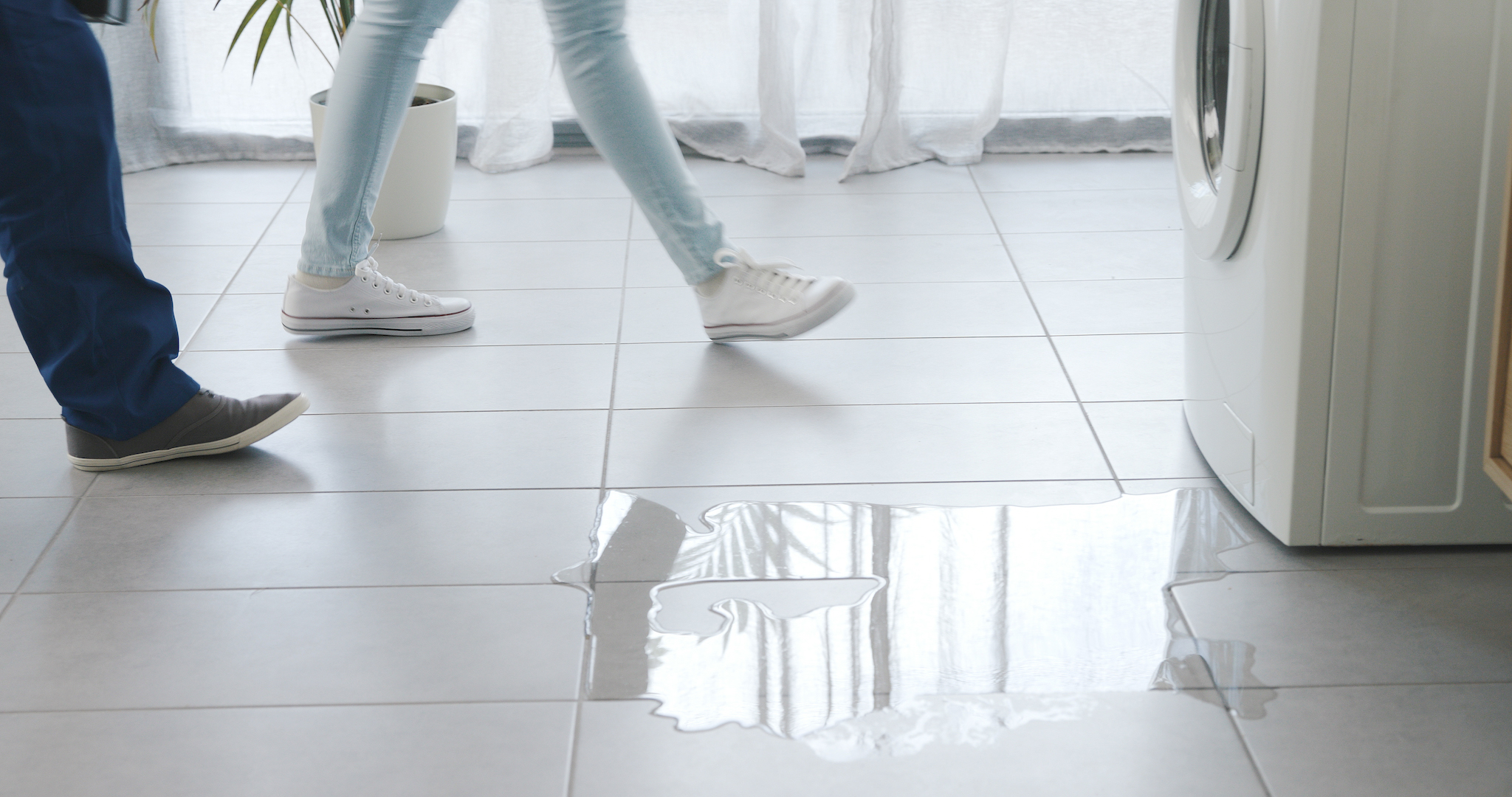
Washing machines: Hoses leading to and from the machine can crack or become loose, leading to leaks. Drain issues can also cause overflows.
Utility sinks: Similar to kitchen and bathroom sinks, utility sinks can develop leaks around faucets or drain pipes.
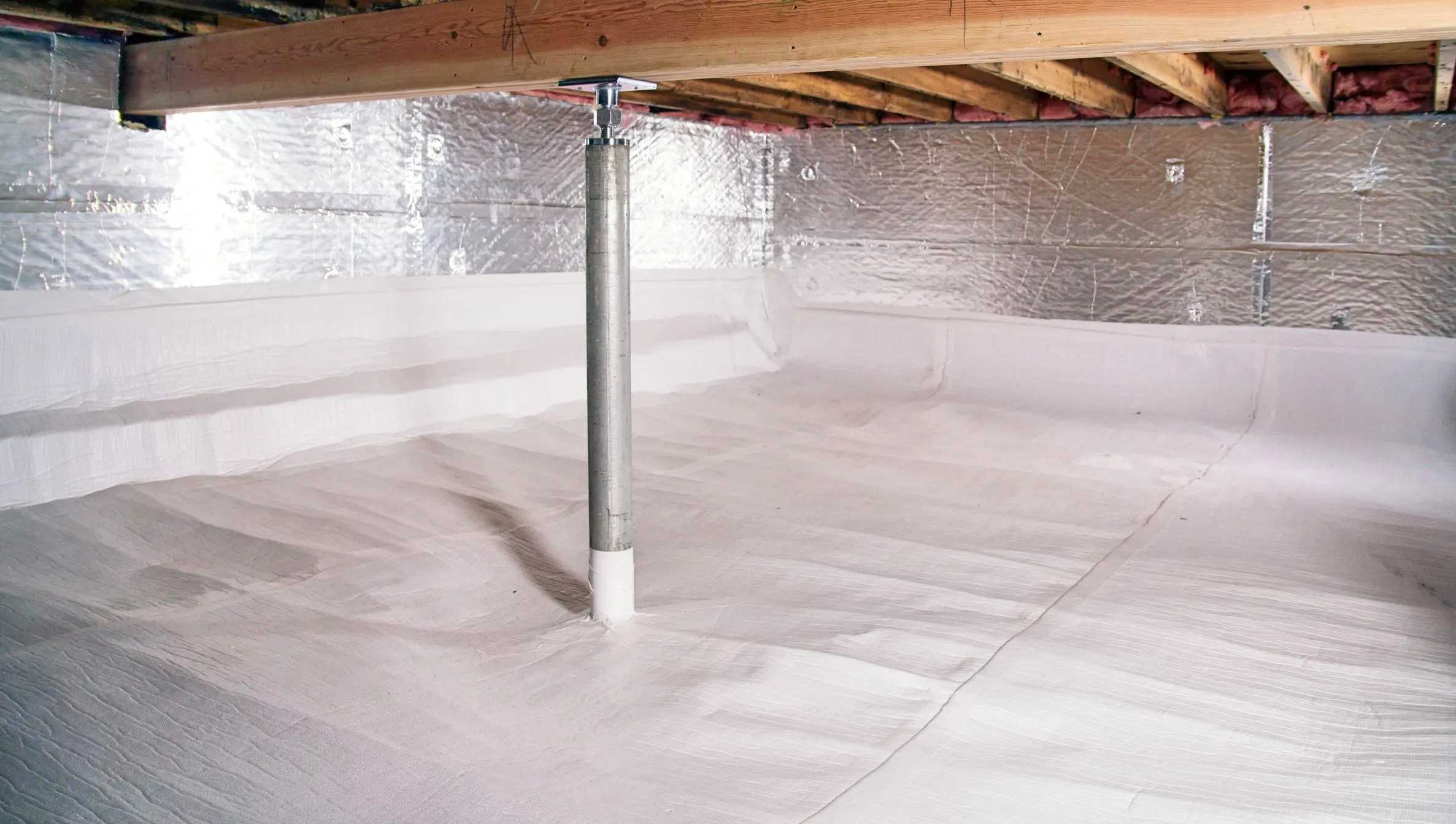
Basements and Crawl Spaces
Foundation cracks: Water can seep into basements through cracks in the foundation, especially after heavy rain or groundwater saturation.
Water heaters: Over time, water heaters may develop leaks due to tank corrosion or faulty valves.
Sump pumps: A malfunctioning sump pump or clogged discharge lines can lead to water accumulation and leaks.
Attics and Roofs
Roof leaks: Damaged or missing shingles, clogged gutters, or broken flashing can lead to water leaks into the attic.
HVAC units: In attics or upper floors, condensate lines or drain pans from air conditioning units can overflow or leak if not maintained properly.
Walls and Ceilings
Pipes behind walls: Water pipes that run through walls can develop leaks due to corrosion or burst pipes, often unnoticed until water damage appears on walls or ceilings.
Windows: Improperly sealed or old windows may allow water to seep in during heavy rain, leading to leaks around the window frames.
Exteriors
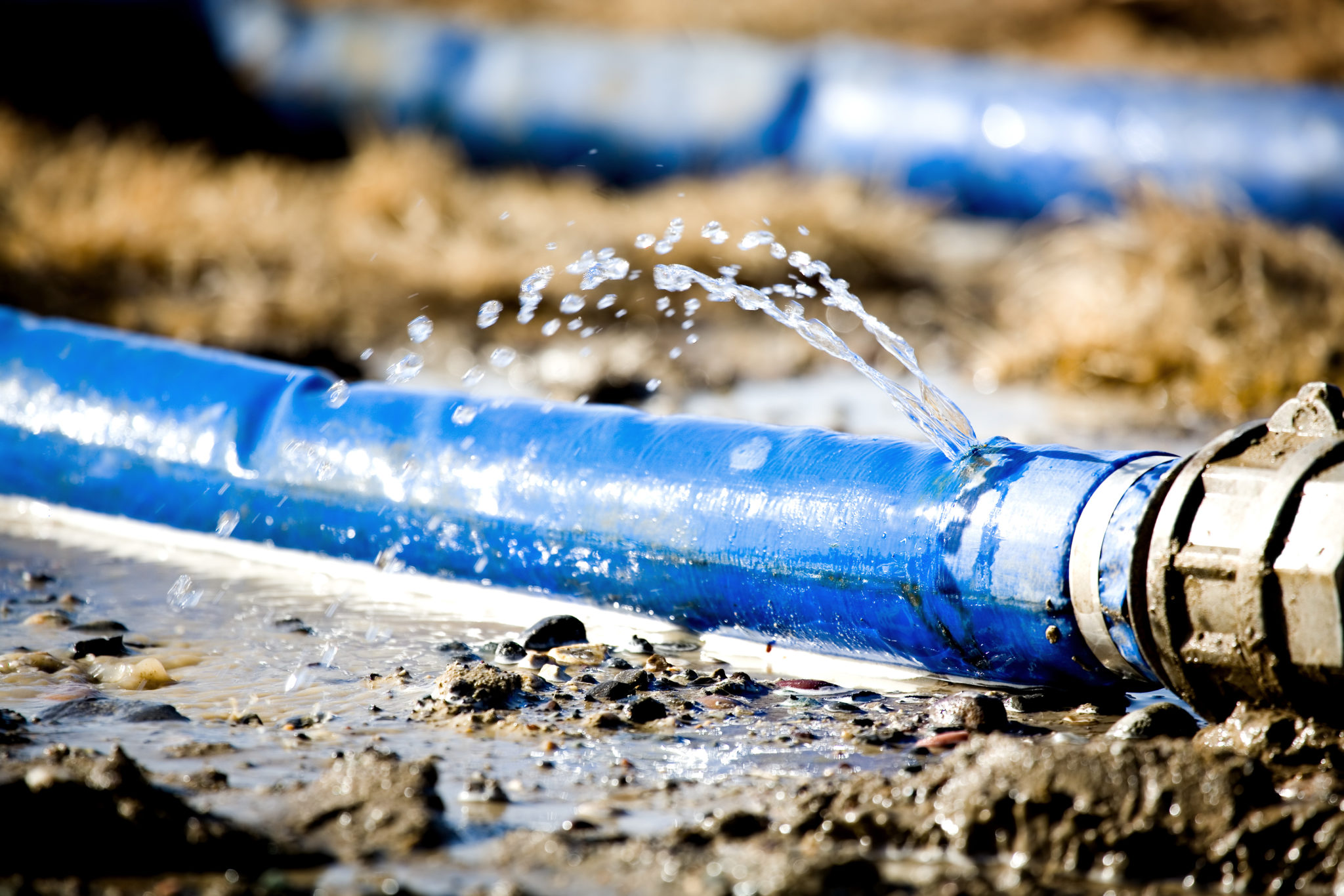
Hose bibbs (outdoor faucets): Outdoor spigots or hose bibbs are prone to leaks, particularly in cold climates where pipes may freeze and crack.
Gutters and downspouts: Clogged gutters can overflow, leading to water pooling, which may cause leaks into the basement or crawl space.
How To Respond When You Suspect Water Leak
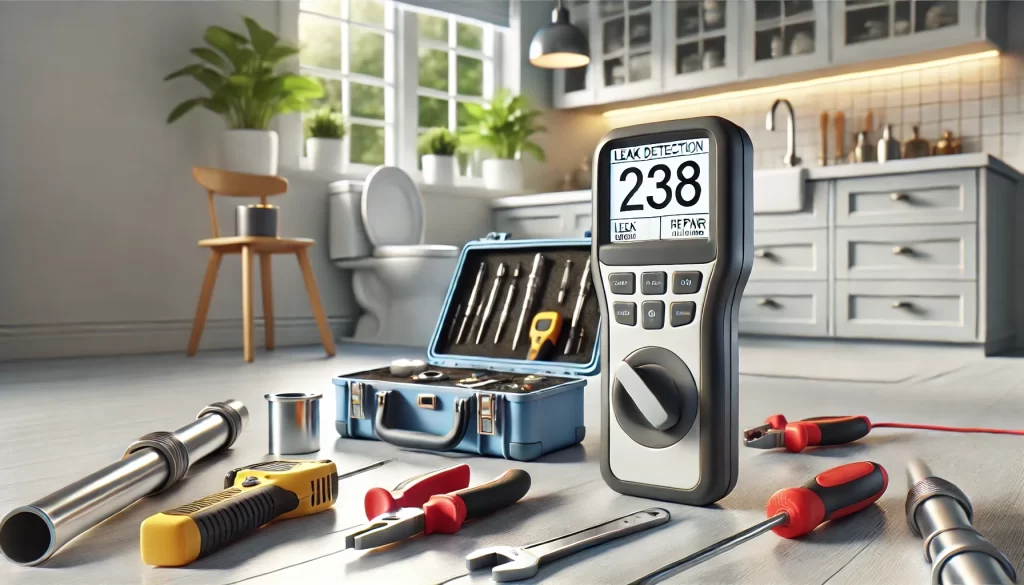
Whenever you suspect a water leak in your home, come to action as soon as possible. This will help you minimize damage and secure your home.
Here’s a step-by-step guide on how to respond:
- Look for Leak Signs
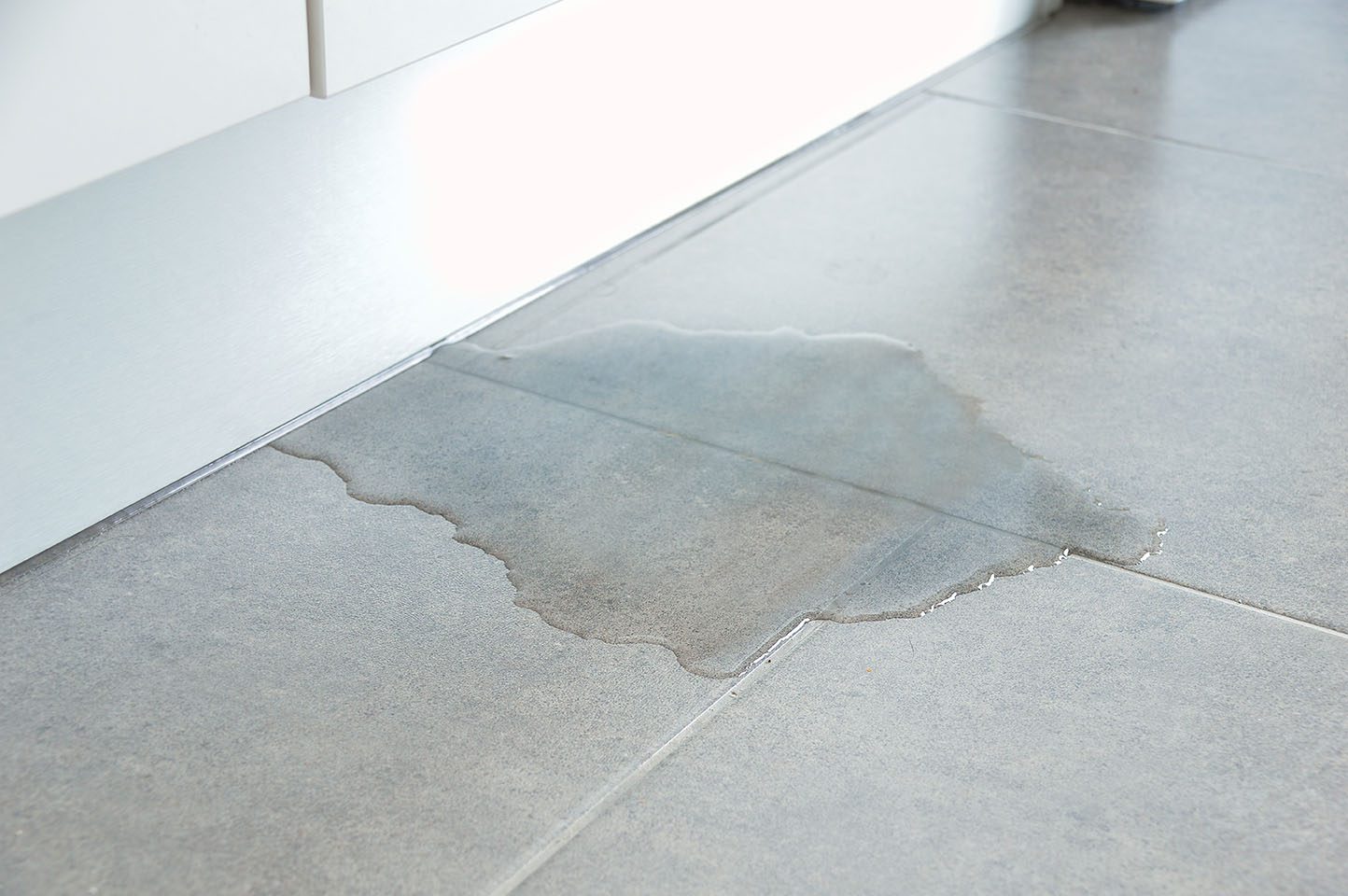
● Look for damp spots, standing water, or huge water stains on walls, ceilings, and floors.
● Pay attention to the sound of running water, dripping, or hissing when all water-using appliances are off.
● A sudden increment in the water bill can indicate a hidden leak.
● Check Mold and mildew, as they can develop quickly in damp areas, producing a musty smell.
● Reduced water pressure can be an indication of a leak, especially if it affects multiple faucets. - Turn Off the Water Supply
● If you suspect a significant leak or can’t find the source, then turn off the water to your entire home to prevent further damage.
● If the leak is coming from a specific appliance (e.g., dishwasher, washing machine), turn off the water supply to that unit. - Check the Water Meter
● With all water appliances off, check your water meter. If it’s still moving, it indicates an active leak somewhere in the system.
● Note the reading, wait a few hours without using water, and check again. If the reading changes, you likely have a leak. - Investigate Common Leak Areas
● Check under sinks, around toilets, and near appliances where water is used.
● Look for soggy ground or pooling water near your hose bibbs or around your foundation. - Call a Professional
● If your home has a major leak, contact Water Damage Restoration Houston. They can use specialized tools to detect hidden leaks.
Process of Leak Detection and Repair
Leak detection involves several steps, starting from inspection and going up to the final check. This ensures that there is no hidden problem left after repairs on your property. The process of leak detection involves:
Inspection
Leak Detection
Assessment
Repair
Final Check
Advantages of Leak Detection and Repair
Other than restoring your property, there are several advantages of leak detection, such as:
- Timely leak repair reduces the chances of extensive water damage and costly repairs in the future.
- Early detection of leaks can lower water bills and avoid expensive restoration costs.
- Repairing leaks prevents mold growth and maintains a healthy indoor environment.
- Keeping a property free of leaks and water damage can enhance its overall value and appeal.
Why Choose Us
Experienced Professionals
Our team has years of experience in leak detection and repair.
Advanced Technology
We use advanced equipment for accurate and efficient leak detection.
Customer Satisfaction
We are committed to providing top-notch services to satisfy our customers.
24/7 Availability
Water leaks can occur at any time. Our services are available around the clock for emergencies.
Frequently Asked Question
Have Any Questions
If you have a leak in your property, you’ll find increases in your water bill, damp spots on ceilings, and the sound of running water.
The duration of leak detection depends on the size of your property and the leak’s complexity. Generally, it takes a few hours to conduct a thorough inspection.
Our methods focus on non-invasive techniques to minimize any disruption or damage to your property.